1. Count and photograph
The team inventories every container, drum and spill area before touching anything. Photos record the starting condition for insurers and inspectors.
Sugar Grove, IL · Kane County
What happens after the fire department clears a hazmat scene in Sugar Grove? The site still needs cleaning. Call (877) 812-4220 for containment, removal, surface cleanup and records for your insurer.
If anyone is in danger, call 911 first. For a suicide crisis, call or text 988.
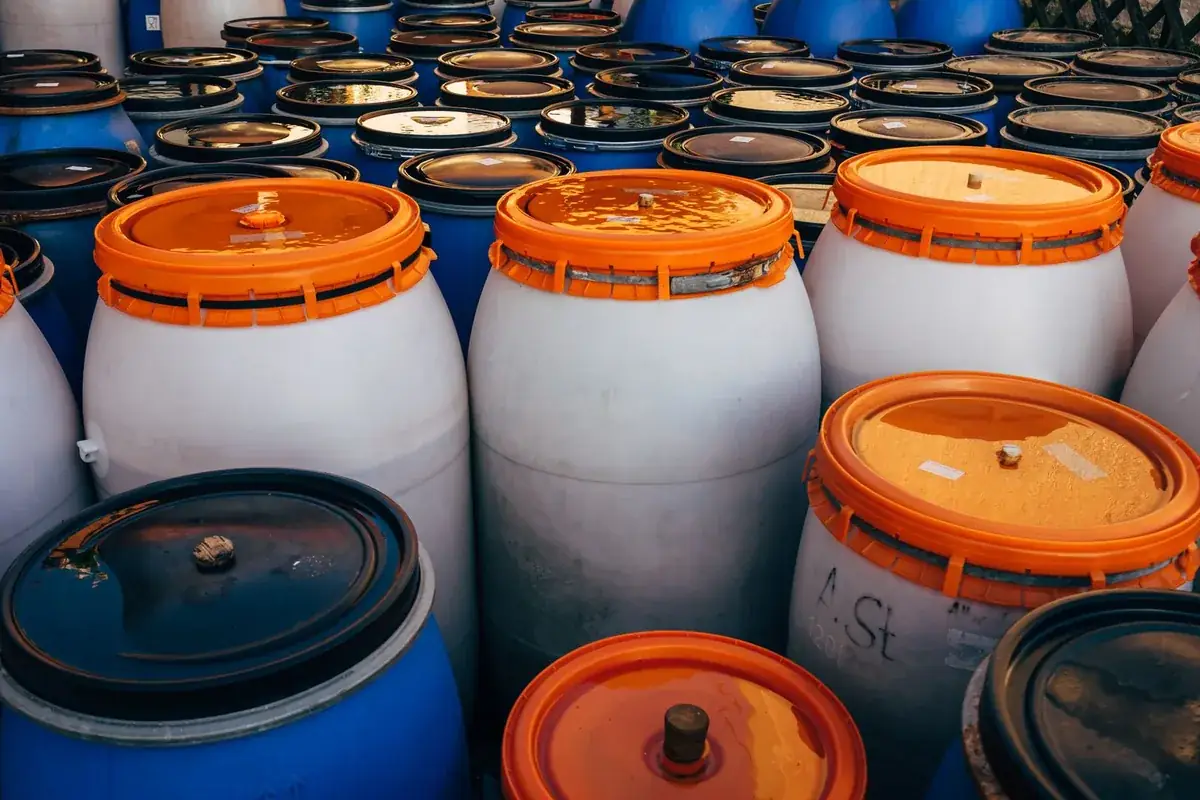
A hazmat is any material that poses a risk to health, safety or the environment. Hazmat cleanup is the work of removing that risk from a site by containing, collecting and disposing of the material.
Anywhere in Sugar Grove and Kane County, you can get the material identified, the spread contained, the contaminated debris removed and the waste hauled lawfully. Call Sugar Grove Biohazard Cleanup Help to start.
Kane County has a Relatively High river flood risk rating from FEMA, and floodwater can tip over tanks and drums and carry hazardous materials across a site. The nearest emergency room, Presence Mercy Medical Center in Aurora, is about 4 miles from Sugar Grove. Anyone exposed to a hazardous material should get medical care first.
A typical hazmat cleanup job includes:
The team inventories every container, drum and spill area before touching anything. Photos record the starting condition for insurers and inspectors.
Absorbent socks, berms and drain covers keep the material from traveling. Leaking containers go into secondary containment.
Drains are covered where needed and ignition sources are controlled. The crew works from clean areas toward the source and collects the material.
The team inspects the cleaned area and explains the result. Hazardous waste leaves the property in labeled containers for lawful disposal.
Expect hazmat cleanup in Sugar Grove, IL to cost roughly $4,000 to $40,000, with the final price set after an on-site assessment.
Size and spread matter. A spill on sealed pavement is less work than one that soaked into soil, gravel or porous materials, and more material means more labor and more waste.
| Type of job | Typical range |
|---|---|
| Small to mid-size spaces | $4,000 - $40,000 |
| Initial cleanup and containment | $6 - $20 per square foot |
Estimates only, not a quote. Sources: One and Done Prep. Price drivers include type of contaminant, square footage, containment setup, waste disposal. Call (877) 812-4220 to talk through the job.
Crime scene crews mainly use detergents and EPA-registered disinfectants against germs, not harsh industrial chemicals. Hazmat crews choose products to match the hazardous material instead. Products are never mixed, and labels set the contact time.
Do not pour them down a drain or put them in the trash. Keep them in their original containers, away from heat and children, and have a cleanup team collect anything leaking or unknown. Waste must go to a facility that can accept it.
OSHA sets safety rules for workers who respond to and clean up hazardous substances. Professional crews follow those rules and use gear matched to the hazard. Employers have their own duties, which safety staff or an attorney can explain.
The person or business that caused a release is often responsible, and owners usually carry the cost on their own property. After a vehicle accident, ask whether another party's insurer or a carrier is involved. In a rental, the lease and local law decide.
Some do, but the work is different. Biohazard cleanup deals with blood and germs, while hazmat deals with harmful substances. Ask whether a team has the gear and procedures for the specific material before hiring it.
It is the safe handling, removal and disposal of hazardous materials after a spill, leak or release. Crews identify the material and wear suitable protective gear. They contain the spread, clean the area and send waste to a facility that can accept it.
Describe the spill by phone and the team explains the next safe step.
Call (877) 812-4220